Have you noticed the news filled with stories about rising costs and economic uncertainty lately? It seems like every day, we’re hearing about inflation, high interest rates, and financial struggles. For many of us, it can feel overwhelming and a little scary, wondering if our personal finances are heading for a rough patch. And honestly, it’s not just a feeling—there’s real data to back it up. We’re seeing a notable increase in something you might not have thought about much: U.S. bankruptcy filings. It’s a clear signal that a lot of people are feeling the squeeze, and it’s a topic worth paying attention to. 😊
he Rising Tide: What the Data on US Bankruptcy Filings Says 📊
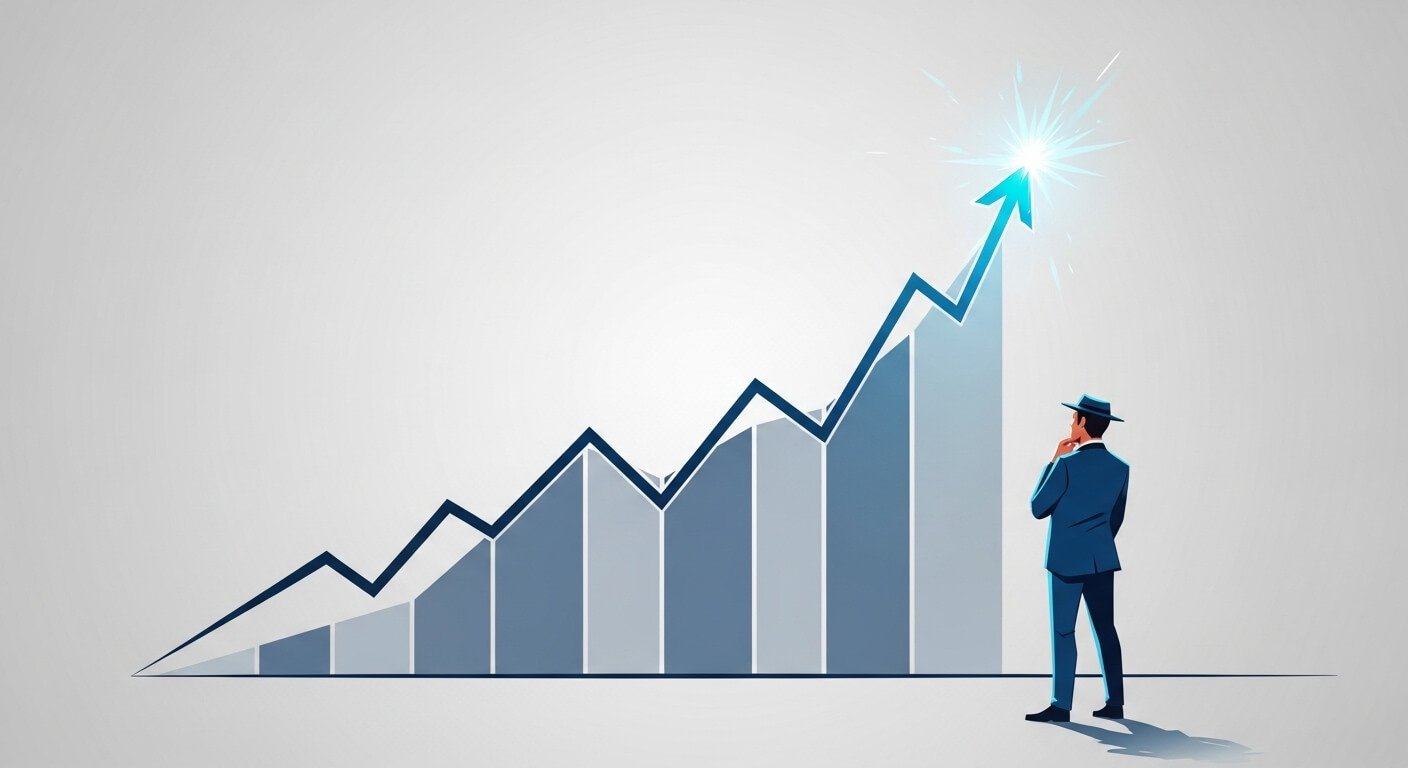
It’s no secret that the economy has been on a rollercoaster ride. The latest numbers from the American Bankruptcy Institute (ABI) show a pretty significant jump in bankruptcy filings. For example, total filings in the first half of 2024 were up 22% compared to the same period last year.
This trend isn’t just a minor blip; it’s a broad-based increase across both consumer and business sectors. Consumer filings—which include Chapter 7 and Chapter 13—are seeing a sharp rise, and surprisingly, business bankruptcies are also accelerating, particularly among smaller companies. This tells us that the financial strain isn’t limited to a single group; it’s a widespread challenge affecting households and enterprises alike.
Bankruptcy is a legal tool designed to give individuals and businesses a fresh start. It can help discharge debts and reorganize finances under court protection.
Why Are Americans Filing for Bankruptcy? 🤔
So, why the sudden increase? It’s really a perfect storm of several factors colliding at once. First, we have persistent inflation, which means the cost of everything—from groceries to gas—is higher. People’s paychecks just aren’t stretching as far as they used to. On top of that, the Federal Reserve’s response to inflation has been to raise interest rates, making it more expensive to carry debt on things like credit cards and personal loans.
Many of us took on debt during the pandemic, and now those payments are getting tougher to manage. Another huge factor is the end of government aid and forbearance programs. Remember those pauses on student loan payments and evictions? Well, they’ve ended, and people are now facing a return to their regular financial obligations, often without the same cash reserves they had before.
Key Drivers of Financial Distress
| Category | Consumer Reasons | Business Reasons |
|---|---|---|
| Main Driver | High cost of living, medical debt, job loss. | Inflation, supply chain issues, high cost of capital. |
| Secondary Factors | Student loans, credit card debt, foreclosure. | Decreased consumer spending, labor shortages, declining margins. |
| Underlying Trend | Savings depletion and a return to pre-pandemic habits. | Difficulty passing on costs to consumers. |
Don’t confuse bankruptcy filings with the number of people who are struggling. Many more individuals and businesses are currently facing severe financial hardship but haven’t yet filed.
What This Means for the Economy 📈
It’s tempting to think this is just a personal issue, but it has broader implications for all of us. When consumers and businesses are struggling, it sends ripples through the entire economy. For one, it can lead to a significant slowdown in consumer spending. When people are worried about making ends meet, they cut back on discretionary purchases, which impacts businesses of all sizes. Financial institutions also become more cautious. They might tighten lending standards, making it harder for people to get a car loan or a business to secure funding for expansion. This cycle can create a feedback loop that slows down economic activity even further. Some economists even view rising bankruptcy filings as a potential leading indicator of a looming recession, so it’s a trend that’s definitely on the radar of policymakers and analysts alike.
Your Options: Navigating Financial Uncertainty 💡
Okay, so with all this in mind, what can you actually do if you’re feeling financially stressed? It’s important to remember that you’re not powerless. There are several proactive steps you can take to manage debt and protect your assets. The key is to act before the problem gets out of control. Think of it like a financial health check-up. Here are a few options to consider:
- Debt Consolidation: This involves taking out a new loan to pay off multiple, high-interest debts. It can simplify your payments and potentially lower your overall interest rate. However, be careful with the terms and make sure it’s a better long-term solution.
- Credit Counseling: Non-profit credit counseling agencies can help you create a debt management plan, negotiate with creditors, and provide education on budgeting. This is often a great first step.
- Debt Settlement: This is a more aggressive option where a company negotiates with creditors to settle your debt for a lump sum, usually less than the full amount. It can be effective but can also negatively impact your credit score.
- Understand Your Options: If the stress is overwhelming, understanding what bankruptcy entails can be empowering. Talk to a professional, such as a credit counselor or a bankruptcy attorney, to get a clear picture of your legal options.
Financial Health Check 🔢
Calculate your debt-to-income ratio to see where you stand.
In a Nutshell: Key Takeaways 📝
To wrap things up, the increase in U.S. bankruptcy filings is a very real sign of economic stress. It's not just a statistic; it represents individuals and businesses grappling with tough financial situations. But it's also a reminder that these situations have solutions. The path forward might be challenging, but there are resources available to help you find your footing again.
- Rising Filings: Both personal and business bankruptcies are increasing as a result of inflationary pressures and the end of pandemic-era support.
- Key Drivers: The primary culprits are persistent inflation, high interest rates on loans and credit cards, and the resumption of normal debt obligations.
- Economic Signal: The trend is seen as a potential leading indicator of a broader economic slowdown, as consumer spending and lending practices tighten.
- Proactive Steps: Options like debt consolidation and credit counseling can be powerful tools to avoid bankruptcy and get your finances back on track.