
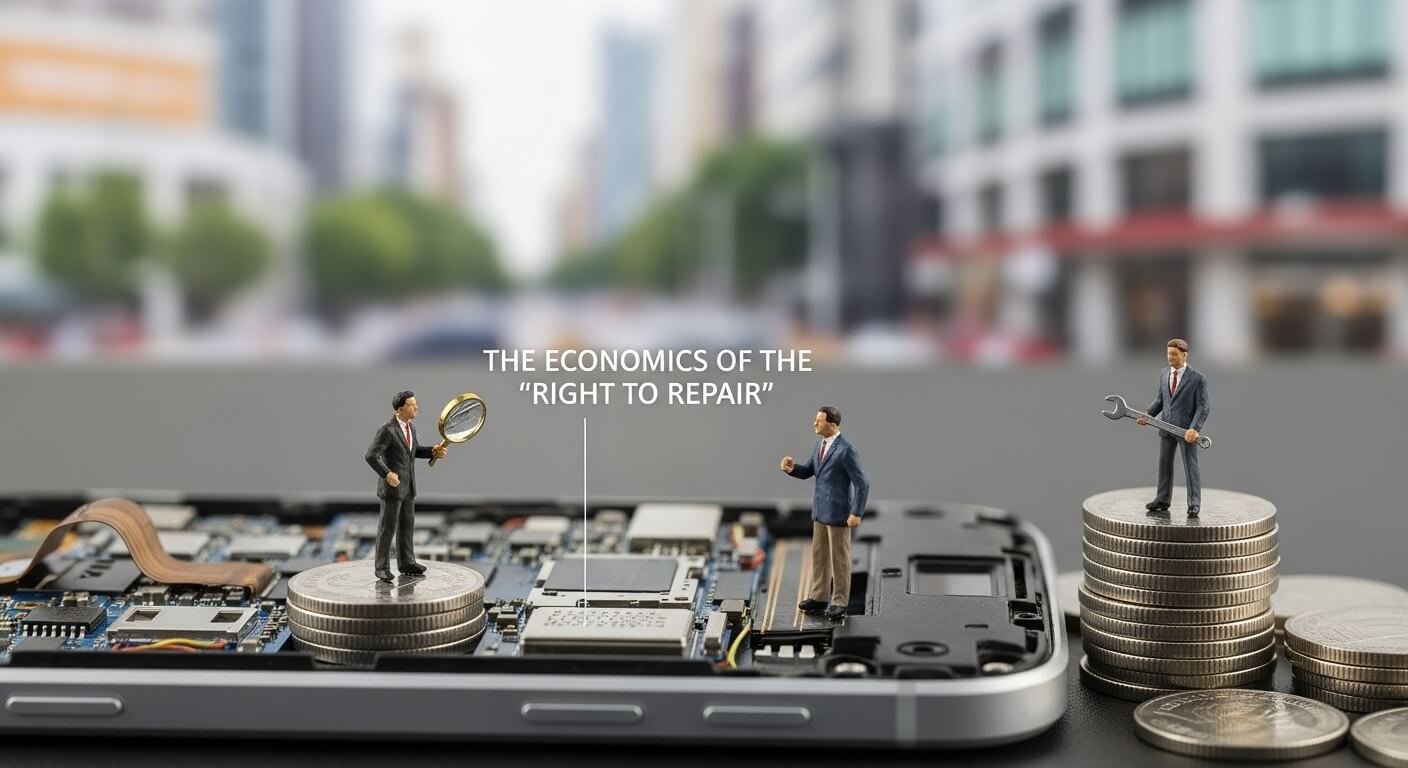
Have you ever faced a crazy expensive repair bill for a phone with a cracked screen and thought, “Maybe I should just buy a new one”? I’ve been there, and honestly, it’s incredibly frustrating. It feels like products are designed to be disposable. But what if you had the power to choose a cheaper, effective repair? That’s the core idea behind the ‘Right to Repair’ movement, and it’s a game-changer for our personal finances. 😊
Understanding Your Total Cost of Ownership 🤔
When we buy a new gadget, we usually only think about the sticker price. But that’s just the beginning of the story. The Total Cost of Ownership (TCO) includes the initial purchase price PLUS all the costs for maintenance, repairs, and eventually, replacement. For years, manufacturers have kept a tight grip on repairs, forcing us into their expensive “official” service centers.
Think about it: by making parts and repair manuals unavailable to independent shops, they create a monopoly. The Right to Repair aims to break this monopoly, giving you the freedom to fix your own stuff or use a local technician who is often much cheaper.
Lowering your TCO is a powerful way to save money. The Right to Repair directly reduces these long-term costs by making maintenance more affordable and extending the life of your devices.
The Real Numbers: Manufacturer vs. Independent Repair 📊
So, what’s the actual difference in cost? It can be massive. An official manufacturer repair for a flagship smartphone screen can cost hundreds of dollars, whereas a trusted local shop can often do it for a fraction of that price. The same goes for cars, appliances, and even farming equipment.
Smartphone Screen Repair Cost Comparison
| Repair Type | Average Manufacturer Price | Average Independent Shop Price | Potential Savings |
|---|---|---|---|
| Flagship Phone Screen | $279 – $329 | $150 – $200 | Up to 50% |
| Laptop Battery Replacement | $129 – $199 | $70 – $100 | Up to 55% |
Always check reviews and ensure the independent shop uses high-quality parts. A cheap repair isn’t worth it if it fails in a month!
Your Repair Savings Calculator 🧮
Curious about how much you could save over the lifetime of a device? Use this simple calculator to estimate your potential savings by choosing independent repairs.
🔢 Estimate Your Savings
How to Choose Repairable Products 👩💼👨💻
The best way to save money is to buy products that are built to last and easy to fix. Before your next purchase, do a little research. Look for brands that are transparent about their repair policies or check out websites that score products on their repairability.
Websites like iFixit provide detailed repairability scores for hundreds of electronics. A high score means the device is easier and cheaper to fix. It's a great resource to check before you buy!
The Economics of Repair: Key Takeaways
Frequently Asked Questions ❓
This shift towards repairability is a huge win for consumers. What are your thoughts on this? Have you had a frustrating repair experience? Share it in the comments below! 😊