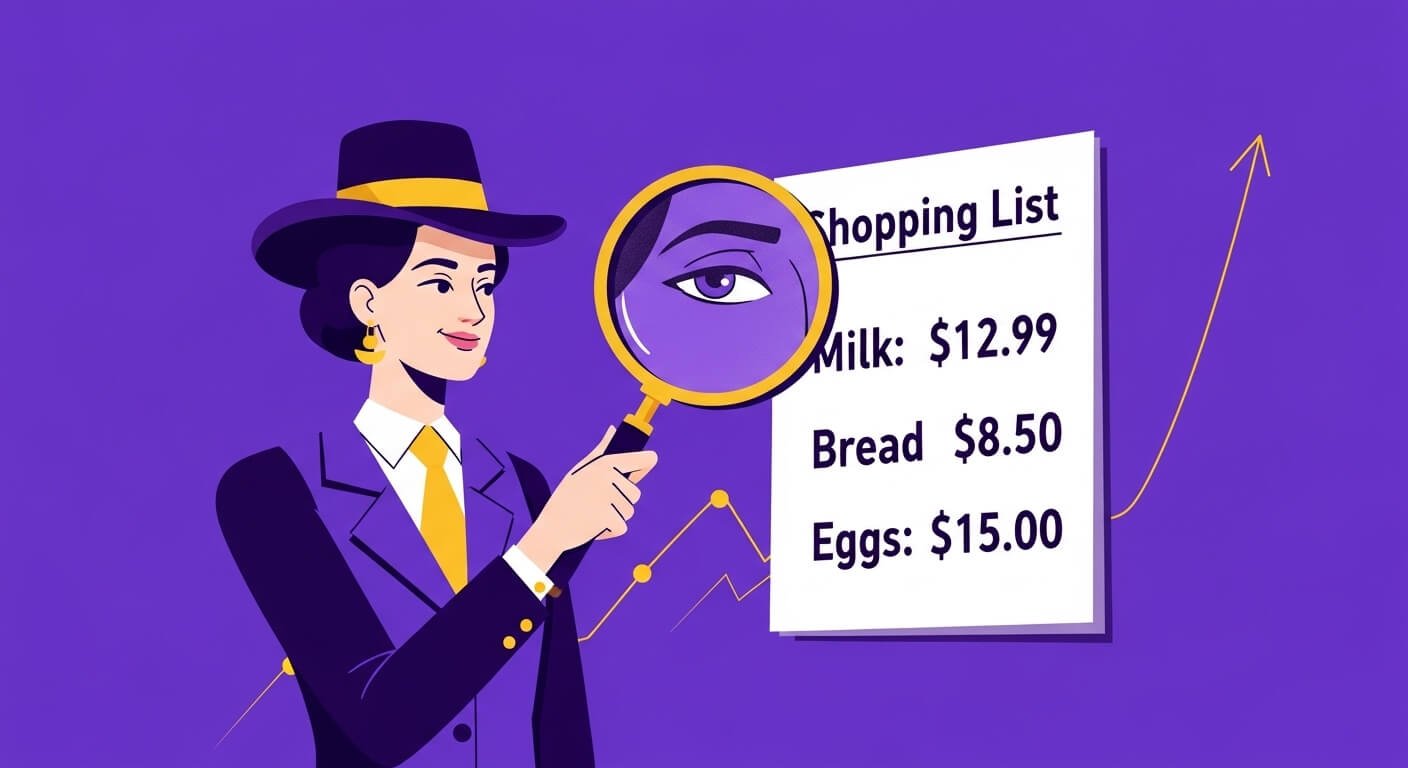
Inflation personal finance is a critical topic we all need to understand. Have you ever walked out of the grocery store with fewer bags but a higher bill? Or maybe you’ve noticed that filling up your gas tank seems to cost a small fortune now. If so, you’re not alone. We’ve all been feeling the pinch from rising prices lately, and it’s something that affects everyone’s daily life. It’s more than just a number on the news—it’s the reason our money just doesn’t go as far as it used to. Let’s get into what’s really happening and how we can tackle it together. 😊
Understanding Inflation Personal Finance‘s “Silent Thief” 🤫
At its core, inflation is the rate at which the prices of goods and services rise over time. This means that over time, your money’s purchasing power decreases because a fixed amount of money will buy less and less. Think of it as a “silent thief” that gradually erodes the value of your income, savings, and investments. This is where understanding inflation personal finance becomes critical.
The most common measure of inflation is the Consumer Price Index (CPI), which tracks the average change in prices for a “basket” of consumer goods and services. While some inflation is considered healthy for an economy (around 2% annually), a rapid increase can have serious negative effects, reducing your ability to afford basic necessities and increasing the overall cost of living.
From Groceries to Gas: The Impact on Daily Spending 📊
When inflation hits, your day-to-day expenses are usually the first to see price hikes. This is where most people notice the immediate impact. Things like groceries, gas, and utilities get more expensive, leaving less money for savings or discretionary spending.
As a result, consumers are forced to adjust their spending habits. We might start buying fewer overall items, switching to cheaper alternatives, or hunting for bargains more often. For example, if your favorite lunch at a diner goes from $12 to $15, you might start packing your lunch more often to save money. For those looking to build a strong foundation, managing your inflation personal finance starts with a solid budget.
How Price Rises Affect Different Categories
| Category | Impact | Consumer Response |
|---|---|---|
| Groceries | Prices for meat, fish, and packaged goods increase. | Switching to cheaper brands or buying less. |
| Housing | Rent and housing prices can rise. | Holding off on buying a home or reducing other expenses. |
| Discretionary Goods | Consumers delay purchases of non-essential items. | Prioritizing staples over big-ticket items. |

Strategies to Counter Inflation’s Effects 🧮
So, what can we do to fight back against this “silent thief”? The good news is that there are practical steps you can take to manage your inflation personal finance more effectively in an inflationary environment.
📝 The Golden Rule: Budgeting
Budgeting = Income – (Fixed Expenses + Variable Expenses)
Revisiting your budget is the first and most important step. Inflation makes it harder to balance your budget, so you need to assess the impact of rising prices and see where you can make adjustments.
- Track Expenses: Monitor where your money is going to identify areas for cutbacks or smarter choices.
- Review Subscriptions: Cancel unused subscriptions or memberships.
- Meal Planning: Plan your meals around sales to save money on groceries.
- Shop Smarter: Buy in bulk or choose generic brands where it makes sense.
The Long-Term Game: Protecting Your Financial Future 💼
Inflation doesn’t just impact our day-to-day spending; it also erodes the value of our savings and investments. Beyond budgeting, a key part of inflation personal finance is protecting your long-term savings. To protect your financial future, it’s crucial to think beyond the immediate price hikes.
Example: The Value of Your Savings
Imagine you have $1,000 in a savings account with a 1% interest rate. If inflation is at 3%, your money is actually losing value in real terms.
$1,000 + ($1,000 x 0.01) = $1,010 after one year.
But to buy the same goods, you now need $1,030. So, your savings are worth less than they were a year ago, even with interest.
To combat this, consider investments that can outpace inflation, such as stocks and mutual funds. Building an emergency fund is also a great first step to navigate economic changes with confidence.
Final Thoughts: Your Action Plan 📝
Inflation is a complex economic force, but its real impact is felt in our everyday lives. The key is to be proactive. By understanding how inflation erodes our purchasing power, we can make informed decisions to protect our finances. By implementing these strategies, you can take control of your inflation personal finance and secure your future.
Start small by reviewing your budget and spending habits. From there, you can explore long-term strategies to make your money work harder for you. And remember, you don’t have to be a financial expert to do this—you just have to be willing to take the first step. If you have any questions, feel free to ask in the comments! 😊