You know that feeling, right? You need a ride, you tap your phone, and a car appears. You’re hungry, a few taps later, food is on its way. It’s magic! This seamless, “frictionless” world is incredibly convenient. But, if you’re like me, you’ve also felt that little shock at the end of the month when you look at your bank statement and wonder, “Where did all my money go?” It turns out, that convenience has a hidden cost, and it’s designed to make us spend more without thinking. Let’s dive into why that is and how we can fight back. 😊
The Psychology of “Painless” Spending 🤔
The core of the issue is a concept psychologists call the “pain of paying.” When you hand over physical cash, your brain registers it as a tangible loss. You see the money leave your hand, and you feel the immediate consequence of your purchase. It’s a natural, healthy friction that makes you pause and consider: “Do I really need this?”
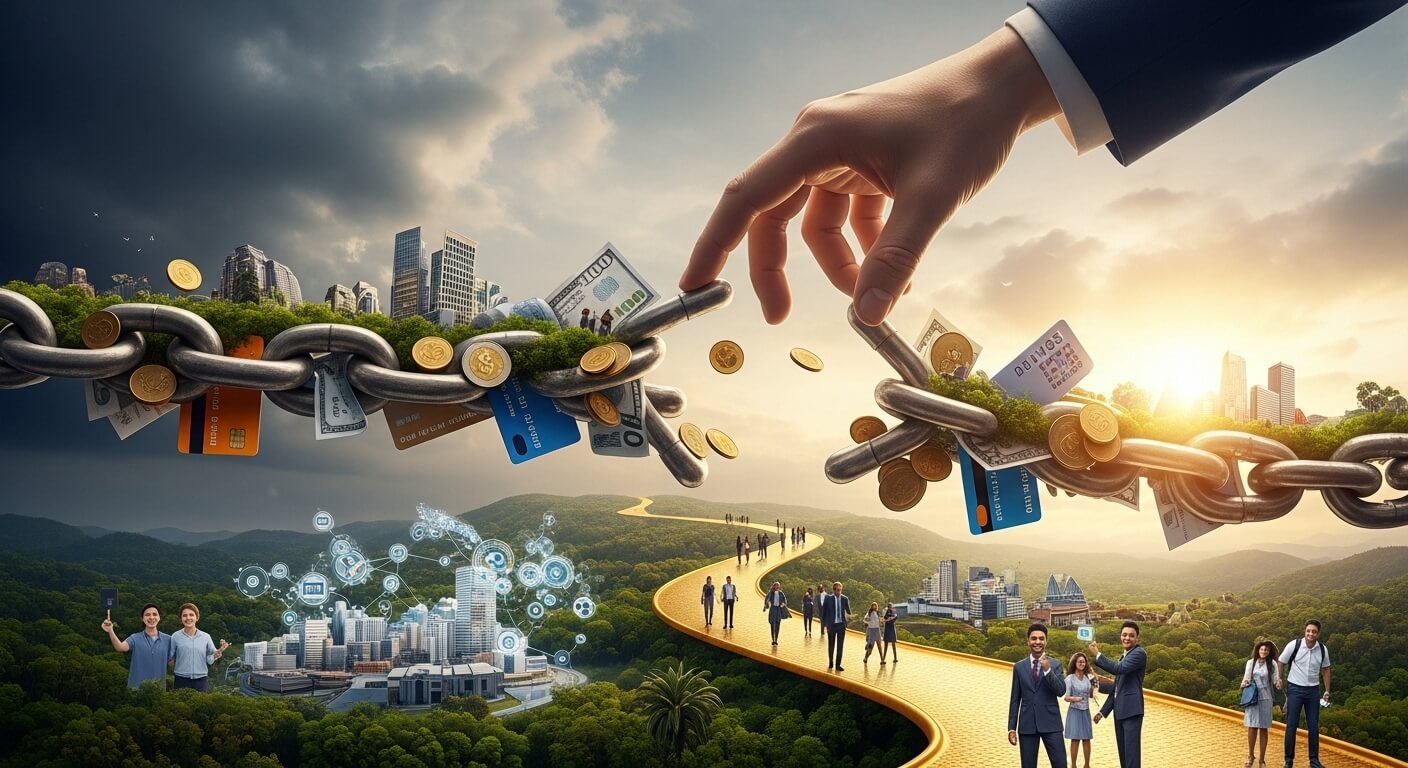
Frictionless payments—credit cards, mobile wallets, and one-click checkouts—are engineered to eliminate this pain. Swiping a card, tapping a phone, or just clicking a button feels abstract. The transaction is so quick and clean that the connection between the purchase and the money leaving your account is weakened. A 2001 study from MIT found that students were willing to pay significantly more for basketball tickets when using a credit card compared to cash. The form of payment literally changed the value they assigned to the item.
This disconnect is called “decoupling.” Frictionless payments create a time delay and a mental gap between the pleasure of getting something new and the pain of paying for it. The further apart they are, the less the pain influences your decision.
How Your Brain Reacts to Different Payments 📊
Neurological studies back this up. Brain scans have shown that when we spend cash, our brains can activate the insula—a region associated with pain and negative emotions. However, when using credit cards or mobile payments, this response is significantly muted. Companies know this. They design smooth, fast, and satisfying user interfaces not just for convenience, but to minimize the cognitive load and emotional friction of spending.
Payment Method vs. Psychological Friction
| Payment Method | “Pain of Paying” Level | Tendency to Overspend |
|---|---|---|
| 💵 Cash | High | Low |
| 💳 Credit/Debit Card | Medium | Medium |
| 📱 Mobile & Online Payments | Very Low | High |
Features like “Buy Now, Pay Later” (BNPL) and saved payment details are powerful tools designed to get you across the spending finish line before you have second thoughts.
The Smart Consumer’s Braking System: How to Add Healthy Friction 🛠️
So, how do we enjoy modern convenience without falling into the overspending trap? The answer is to intentionally re-introduce a bit of healthy friction into our financial lives. Think of it as installing a braking system for your wallet. Here are some practical ways to do it:
- Automate Your Awareness: Connect your bank accounts and payment apps to a budgeting app. Getting an instant notification that says “You have spent 75% of your monthly dining budget” is a powerful form of digital friction.
- Create a Password Hurdle: It’s tempting to use Face ID or a simple PIN for everything. For non-essential shopping apps, try disabling biometric login and setting a slightly more complex, memorable password (like a short phrase). Having to type it in gives you a few extra seconds to reconsider the purchase.
- Institute a “Cash-Only Day”: Pick one day a week to leave your cards at home and only use cash. It’s a fantastic exercise to reconnect with the physical nature of money and often reveals just how many small, thoughtless purchases we make.
- Delete Your Saved Cards: Go through your favorite online stores and food delivery apps and remove your saved payment information. The simple act of having to get up and find your wallet can be enough of a barrier to stop an impulse buy.
- Use Digital Envelopes for Specific Goals: Many banking apps now allow you to create separate “pots” or “envelopes” of money. Before a big purchase, move the exact amount into a designated pot. This forces you to engage with the cost directly before spending.
Real-World Example: Taming the Takeout Temptation 📚
The Situation
- Alex loves the convenience of food delivery apps and uses them 4-5 times a week.
- Their credit card is saved, so ordering takes less than a minute. They consistently go over their food budget by $200 every month.
The Friction Makeover
1) Alex deletes their saved credit card from the app.
2) They set up a weekly “fun money” e-transfer to a separate checking account and use that debit card for non-essential purchases.
3) They designate Wednesdays as their “Cash-Only Day,” which encourages them to cook at home.
The Result
– After a month, Alex has cut their delivery app spending by over 50%. The small amount of friction made them more mindful, leading them to plan meals and save a significant amount of money.
Conclusion: Reclaiming Your Financial Control 📝
Frictionless payments aren’t inherently evil—they offer incredible convenience and security. The key is to be a conscious user. By understanding the psychology at play and building your own “braking system,” you can enjoy the benefits of modern technology without letting it secretly steer your financial decisions.
What are your strategies for adding healthy friction to your spending? I’d love to hear them in the comments below! Let’s help each other become smarter consumers. 😊