For generations, applying for a loan meant visiting a bank, filling out extensive paperwork, and waiting weeks for a decision based almost entirely on your FICO score. Today, that model is being disrupted by a faster, smarter, and more inclusive alternative: Digital Lending. This financial revolution leverages online platforms and sophisticated data analysis to fundamentally change the borrowing experience. Whether you’re seeking a personal loan, financing a small business, or making a major purchase, understanding Digital Lending is key to unlocking new financial opportunities. This guide will walk you through how this technology works and what it means for your personal credit score.
Table of Contents
What is Digital Lending? A New Era of Borrowing
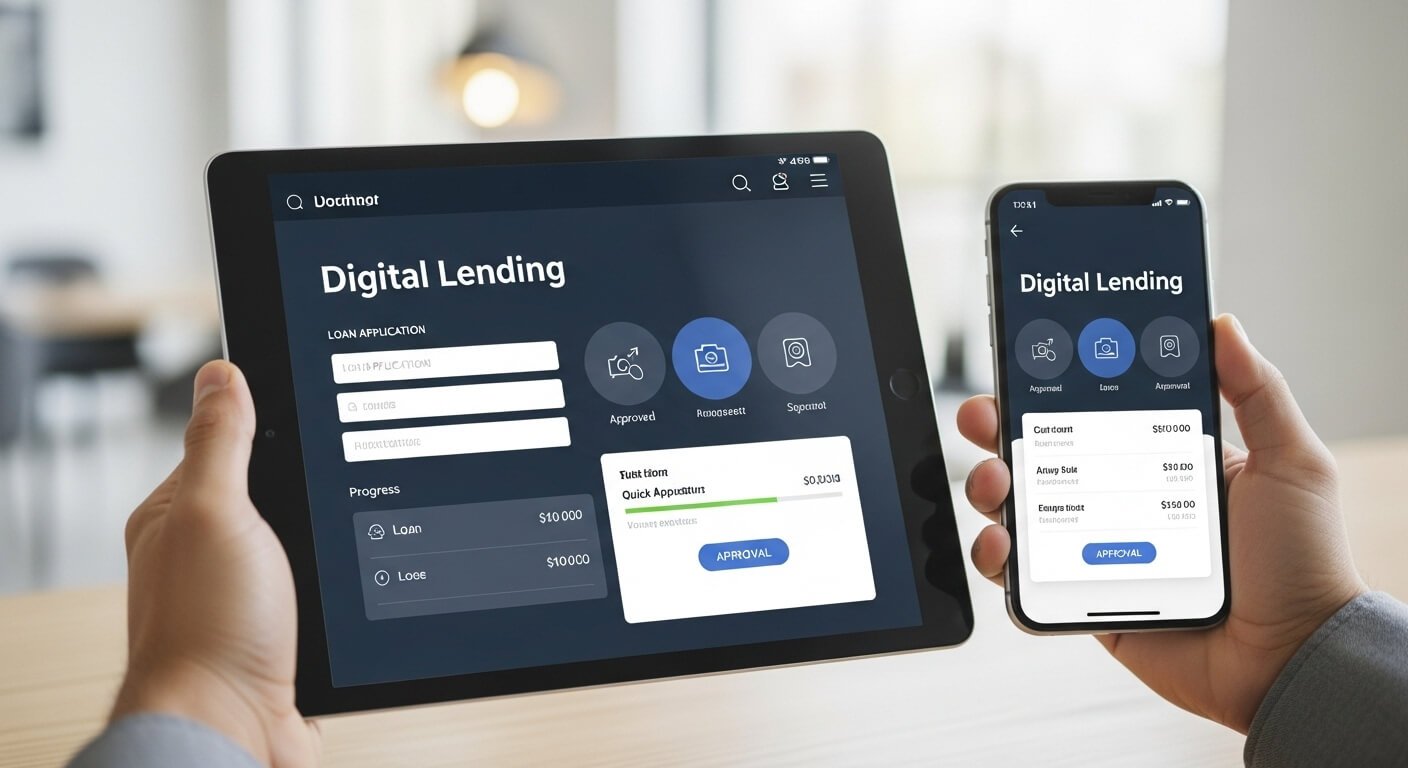
At its core, Digital Lending refers to the process of obtaining loans through online channels with minimal human intervention. Unlike traditional banks, digital lenders operate through websites and mobile apps, automating every step from application to funding. This model is built on three pillars:
- Speed: Applications can be completed in minutes, and automated underwriting systems often provide decisions almost instantly. Once approved, funds can be disbursed in as little as 24 hours.
- Convenience: The entire process can be completed from your computer or smartphone, eliminating the need for in-person appointments and physical paperwork.
- Data-Driven Decisions: This is the most crucial element. Instead of relying solely on traditional credit reports, Digital Lending platforms use a much wider range of data to assess a borrower’s creditworthiness. This is where alternative scoring comes into play.
The Engine of Digital Lending: Alternative Scoring Explained
The “magic” behind modern Digital Lending is its ability to see beyond the traditional FICO score. This is achieved through alternative scoring models, which are powered by artificial intelligence (AI) and machine learning. These systems analyze vast amounts of data to build a comprehensive, real-time picture of your financial health and responsibility.
Instead of being limited to your past debt repayment history, these algorithms can, with your permission, evaluate a variety of non-traditional data points. A study from the Global Partnership for Financial Inclusion highlights how this expansion of data sources is critical for improving accuracy and promoting financial inclusion. Key sources include:
- Financial Transaction History: Analysis of your bank account to verify income, observe saving patterns, and confirm responsible cash flow management.
- On-Time Bill Payments: A consistent record of paying utility, phone, and rent bills on time serves as a powerful testament to your reliability.
- Educational and Employment Data: Your professional background, industry, and educational attainment can be used as indicators of future income stability.
By analyzing this data, Digital Lending platforms can confidently lend to individuals who may have a thin or nonexistent credit file but are otherwise low-risk borrowers. A paper from the Stanford Graduate School of Business found that such data-rich models can be significantly more predictive than traditional methods, enabling lenders to approve more applicants without increasing risk.
The Borrower’s Advantage: Key Benefits of Digital Lending
For consumers, the shift to a Digital Lending model offers tangible and transformative benefits, making credit more accessible and user-friendly than ever before.
Radically Improved Access to Credit
The most significant impact of Digital Lending is its role in promoting financial inclusion. It provides a pathway to credit for millions of “credit invisible” individuals, such as recent graduates, immigrants, or self-employed professionals. For example, a freelance graphic designer with a fluctuating income might be rejected by a traditional bank. However, a digital lender can analyze their bank statements, see consistent client payments, and approve them for a loan based on demonstrated cash flow.
A Faster and More Transparent Process
The efficiency of Digital Lending platforms removes the friction and uncertainty of traditional borrowing. Applicants are no longer left in the dark for weeks. The automated, data-driven process delivers clarity and speed, allowing borrowers to move forward with their financial goals without unnecessary delays.
Fairer and More Personalized Loan Offers
Because alternative scoring provides a much more detailed profile of an applicant, lenders can tailor their offers more precisely. If your data shows you are a very low-risk borrower, you could be offered a better interest rate than your FICO score alone would warrant. This moves the industry toward a system that rewards holistic financial responsibility, not just a history of borrowing.
How to Navigate the Digital Lending Landscape Safely
The convenience of Digital Lending is undeniable, but borrowers should approach it with awareness and caution to protect themselves.
- Prioritize Data Privacy: You will be sharing sensitive financial and personal information. It is absolutely essential to choose reputable lenders who are transparent about their data privacy and security policies. Look for clear terms and conditions, and be wary of any platform that is not forthcoming about how your data is used. Reputable sources on consumer protection, such as the Consumer Financial Protection Bureau (CFPB), offer resources for vetting lenders.
- Understand the “Black Box”: The AI models used in Digital Lending can be incredibly complex. Sometimes, it may not be clear why an application was denied. While the industry is working toward greater transparency, be prepared to ask questions and understand your right to know the basis for a credit decision.
- Beware of Predatory Lenders: The ease of setting up online platforms means borrowers must be vigilant against predatory actors who may offer loans with exorbitant interest rates and hidden fees. Always verify the lender’s legitimacy and read all loan agreements carefully before signing.
Conclusion: Embracing a More Accessible Financial Future
Digital Lending is more than just a technological trend; it is a fundamental restructuring of how we access credit. By harnessing the power of data and alternative scoring, online platforms are dismantling the barriers of the traditional financial system. They offer a faster, more convenient, and ultimately more equitable path to loans, empowering millions with the financial tools they need to thrive. As this technology continues to evolve, it promises a future where your financial opportunities are defined by your overall responsibility, not just a three-digit number.