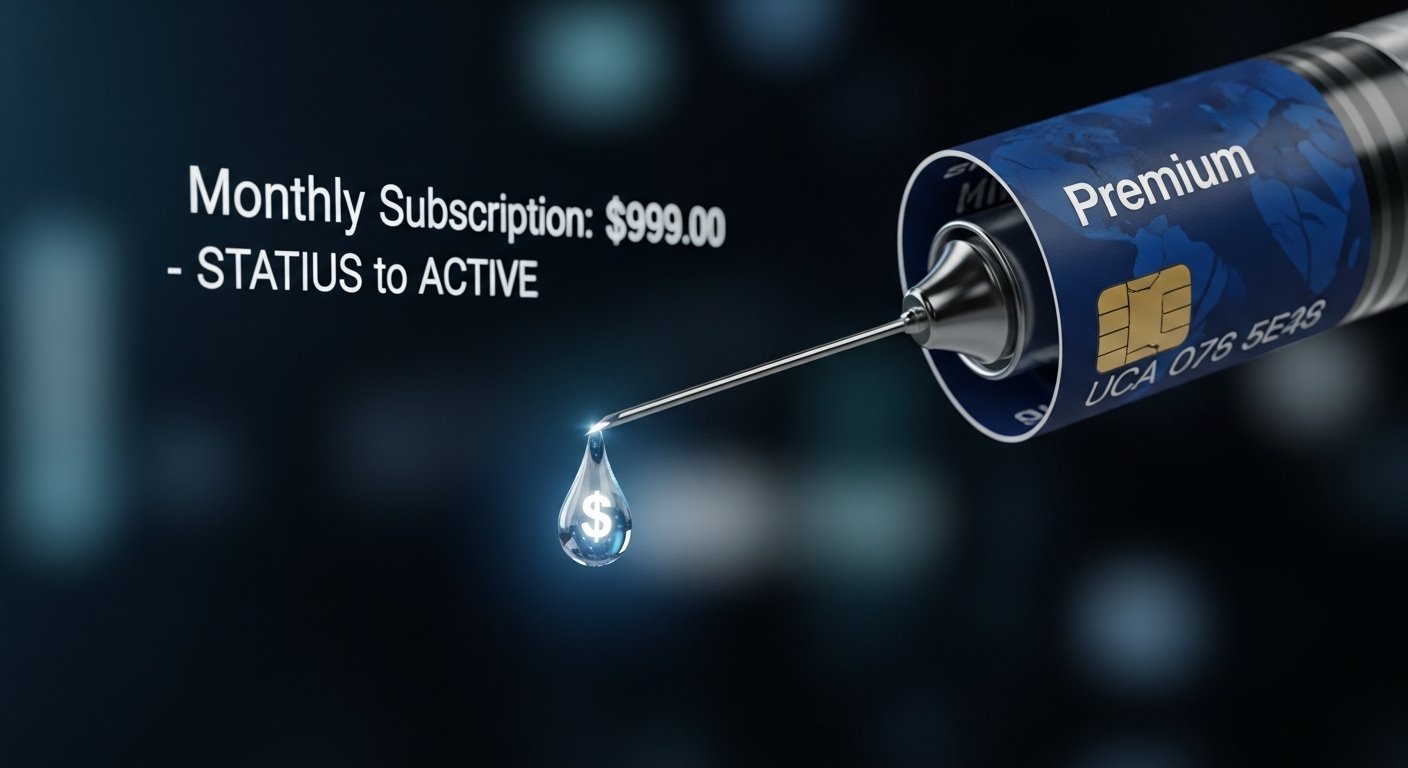
The GLP-1 Weight Loss Subscription Economy has emerged in 2026 as one of the most significant medical and financial shifts in modern history. While drugs like Ozempic and Wegovy offer a legitimate “Medical Miracle” by drastically reducing cardiovascular risks and diabetes, they have simultaneously converted human metabolism into a permanent “Subscription Service.” This guide analyzes the factual health benefits of GLP-1 agonists against the structural financial trap of “Metabolism as a Service” (MaaS) and the growing biological class divide.
1. The Medical Miracle: How GLP-1 Agonists Save Lives
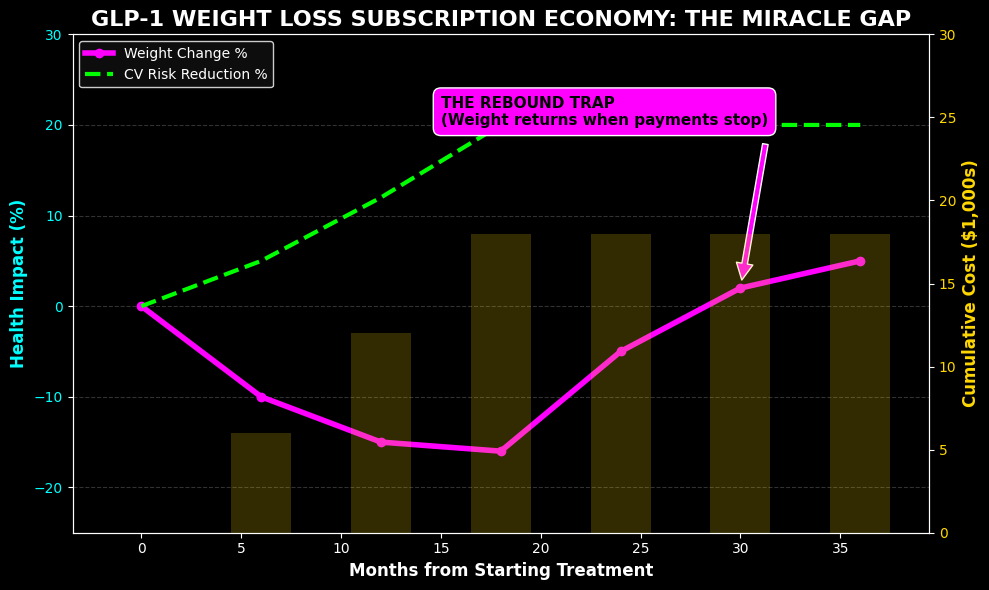
Factually, the GLP-1 Weight Loss Subscription Economy is built on a foundation of genuine clinical success. GLP-1 (Glucagon-like peptide-1) agonists do not simply suppress appetite they recalibrate the body’s insulin response and significantly lower systemic inflammation. In 2026, clinical data confirms that these treatments reduce the risk of major adverse cardiovascular events (MACE) by 20% or more, potentially saving billions in long-term healthcare costs related to heart disease and chronic hypertension.
Redefining Obesity as a Treatable Disease
Perhaps the greatest “Light” of this innovation is the shift in societal perception. By identifying obesity as a hormonal and biological dysfunction rather than a “lack of willpower,” GLP-1 drugs have restored self-esteem to millions. For retirees and those with mobility issues, this medical breakthrough represents a factual extension of their “Healthspan,” allowing for a more active and independent lifestyle.
2. The Shadow: Metabolism as a Service (MaaS)
The dark side of the GLP-1 Weight Loss Subscription Economy is its lack of an “exit strategy.” Clinical trials and real-world 2026 data show a factual “rebound effect”: once the medication is stopped, the suppression of appetite vanishes, and the body’s metabolic rate often remains lowered, leading to rapid weight regain. This biological reality has allowed pharmaceutical giants like Novo Nordisk and Eli Lilly to transition from selling “cures” to selling a “Subscription Body.”
📊 2026 Factual Economics of GLP-1 Usage
| Category | Monthly Cost | The Economic Reality |
|---|---|---|
| Standard Out-of-Pocket | $950 – $1,300 | Requires a high net monthly income; often not covered by Medicare for weight loss alone. |
| Maintenance Mode | $500 – $800 | Even lower “micro-dosing” tiers create a permanent “Longevity Tax” on the consumer. |
| The Rebound Cost | Variable (Loss of Investment) | Stopping the drug results in the immediate loss of the “Thinness Asset” you spent thousands to acquire. |
3. The Biological Class Divide: Thinness as a Cash Flow Signal
In the GLP-1 Weight Loss Subscription Economy, physical appearance has been factually commodified. Historically, a lean physique was a sign of “discipline and diet.” In 2026, it has become a primary indicator of liquidity. Those who can afford the $12,000 annual “Subscription Body” fee can bypass the structural traps of the modern food environment.
Biological Polarization
This creates a stark biological divide: a wealthy class that utilizes GLP-1 to maintain metabolic health, and a lower-income class that remains exposed to cheap, ultra-processed “food deserts.” This is not just an aesthetic difference it is a factual gap in life expectancy and chronic disease rates, where health is hidden behind a permanent financial paywall.
Frequently Asked Questions about GLP-1 Subscription Trap
Can I factually stop taking GLP-1 once I reach my target weight?
While possible, clinical data suggests that 60-80% of users regain a significant portion of the weight within one year of cessation. The GLP-1 Weight Loss Subscription Economy is designed around “Chronic Management,” meaning the biological miracle is rented, not owned.
Is Medicare covering Ozempic for weight loss in 2026?
Medicare coverage remains restricted. While it may cover GLP-1 for Type 2 Diabetes or specific cardiovascular conditions, it factually does not cover “weight loss” as a primary diagnosis. This forces many retirees to pay the full “Subscription Body” price out of their discretionary retirement funds.
Verification Checklist Before Starting Your GLP-1 Subscription
Before committing your 2026 retirement budget to the GLP-1 Weight Loss Subscription Economy, personally verify these factual items:
- [ ] Insurance Audit: Obtain a factual “Prior Authorization” form from your provider to see if any of the $1,000/mo cost is covered.
- [ ] LTV Calculation: Calculate the Lifetime Value (LTV) of this subscription. If you start at 65 and live to 85, you are committing to a $240,000 expenditure.
- [ ] Muscle Mass Monitoring: Verify that your doctor is tracking “Lean Muscle Mass” loss, a common side effect that can reduce metabolic health long-term.
- [ ] Compound Pharmacy Risks: Factually confirm the source of any “generic” or compounded versions, as they lack the same rigorous FDA oversight as the brand-name equivalents.
The Paywalled Miracle: Protecting Your Wealth and Health
Securing your financial future in 2026 means recognizing when a medical miracle has been engineered into a “Loneliness Tax” or a “Metabolic Tax.” The GLP-1 Weight Loss Subscription Economy offers unprecedented health benefits, but it demands a lifetime financial commitment. Once you stop the payment, the miracle is factually “repossessed” by your own biology. It is highly recommended to consult with both a medical professional and a financial advisor to ensure your retirement portfolio can sustain this “Permanent Medical Overhead.” For more factual information on prescription drug pricing, visit CMS.gov or the FDA.gov website.