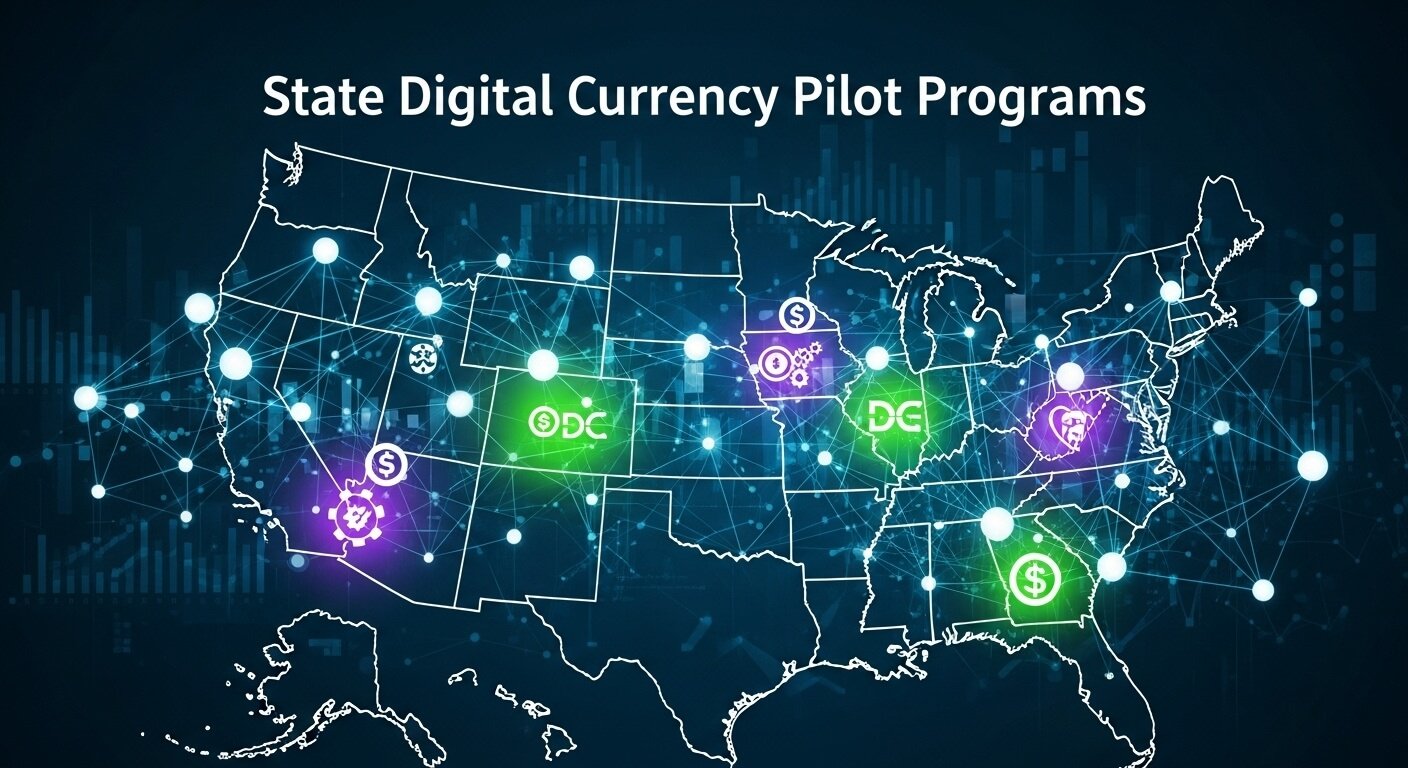
CBDC privacy is a critical issue that isn’t being discussed enough, especially as state-run digital currencies become a real possibility.
Have you ever thought about what happens when you swipe your card or tap your phone to pay? It feels instant, but there’s a whole system working behind the scenes. Now, imagine if the government was the one running that system, seeing every single transaction. That’s the potential reality of Central Bank Digital Currencies, or CBDCs. Some states are already testing these out, and while it sounds futuristic and efficient, I’ve been wondering what it means for our privacy. It feels like a huge deal that not enough people are talking about, so let’s get into it! 😊
What Are State Digital Currencies Anyway? 🤔
First off, let’s clear up what we’re talking about. A state-issued digital currency, often called a CBDC, is basically a digital version of cash (like the dollar) that’s a direct liability of the central bank. Think of it as a government-run Venmo or Cash App. Instead of your money sitting in a commercial bank like Chase or Bank of America, it could be held directly in an account with the Federal Reserve.
The idea is to make payments faster, cheaper, and more accessible, especially for people who don’t have bank accounts. Proponents argue it could streamline government payments (like tax refunds or stimulus checks) and modernize our entire financial infrastructure. It sounds great on paper, but the devil, as they say, is in the details.
The key difference is that a CBDC is a direct claim on the central bank, unlike the money in your bank account, which is a claim on your commercial bank. It’s a fundamental shift in how money works.
The Core of the Issue: CBDC Privacy and Programmability 📊
So, why the concern? It comes down to two big concepts: programmability and privacy. A fully digital currency can be “programmable.” This means rules can be attached to money. For example, stimulus funds could be programmed to expire by a certain date or to be spent only on specific goods like food or housing. This gives the issuing authority an incredible amount of control.
And that brings us to privacy. With physical cash, your transactions are anonymous. No one knows you bought a coffee or a magazine. But with a CBDC, every single transaction could be recorded on a central ledger. This creates a permanent, searchable record of your entire financial life. Who has access to that data? How is it protected? These are the million-dollar questions.
A centralized digital currency system could become a tool for mass surveillance, tracking not just what you buy, but where you go, who you associate with, and even what you believe in.
Real-World Implications 👩💼👨💻
Let’s think about what this could actually look like. Imagine applying for a loan. The lender could potentially pull up your entire spending history in an instant. Or what about insurance? Your rates could be adjusted based on your grocery purchases or how often you eat fast food. It opens the door to a new level of financial scrutiny and potential discrimination.
Furthermore, this data would be a prime target for hackers. A breach of a central currency ledger could be catastrophic, exposing the financial details of millions of citizens. While proponents assure us that privacy-preserving technologies will be used, the temptation to use this data for law enforcement, tax collection, or economic planning might be too strong for governments to resist.
Case Study: A Look into a Digital Dollar Future 📚
Meet Jane, a Gig Worker in 2030
- Situation: Jane gets paid through the new “FedNow” direct digital dollar system. It’s fast and convenient.
- The Problem: She participates in a peaceful protest. A few weeks later, she finds her digital wallet is frozen for “suspicious activity,” and she can’t buy groceries or pay her rent. Her transaction history was flagged by an algorithm that associated her with a “high-risk” event.
The Downside
1) Financial Censorship: Jane’s ability to transact is shut down without due process, based on her physical location and associations.
2) Lack of Anonymity: An action that would have been anonymous with cash (like donating to a cause) is now part of her permanent financial record, open to scrutiny.
Conclusion
– This hypothetical shows how a CBDC, without robust privacy protections, can become a tool for social control, chilling free speech and association.
Conclusion: Finding the Right Balance 📝
Look, the move to digital money isn’t inherently bad. There are real benefits to be had. But we can’t rush into it without building in iron-clad CBDC privacy protections from the start.
The debate around CBDC privacy is one of the most critical financial conversations happening today. Have you ever thought about what happens when you swipe your card? It feels instant, but a whole system works behind the scenes. Now, imagine if the government ran that system, seeing every transaction. That’s the potential reality of Central Bank Digital Currencies (CBDCs) and a major concern for our privacy.
We need to demand transparency and be a part of the conversation as these pilot programs evolve. What are your biggest concerns about a state digital currency? Let me know in the comments! 🤔