Have you ever felt stuck in a catch-22? You pay your rent on time every single month, you never miss a utility bill, but when you apply for a car loan or a credit card, you’re met with a rejection letter. The reason? A low or non-existent FICO score. It’s frustrating, to say the least. For years, the traditional credit system has overlooked some of the most consistent financial habits.
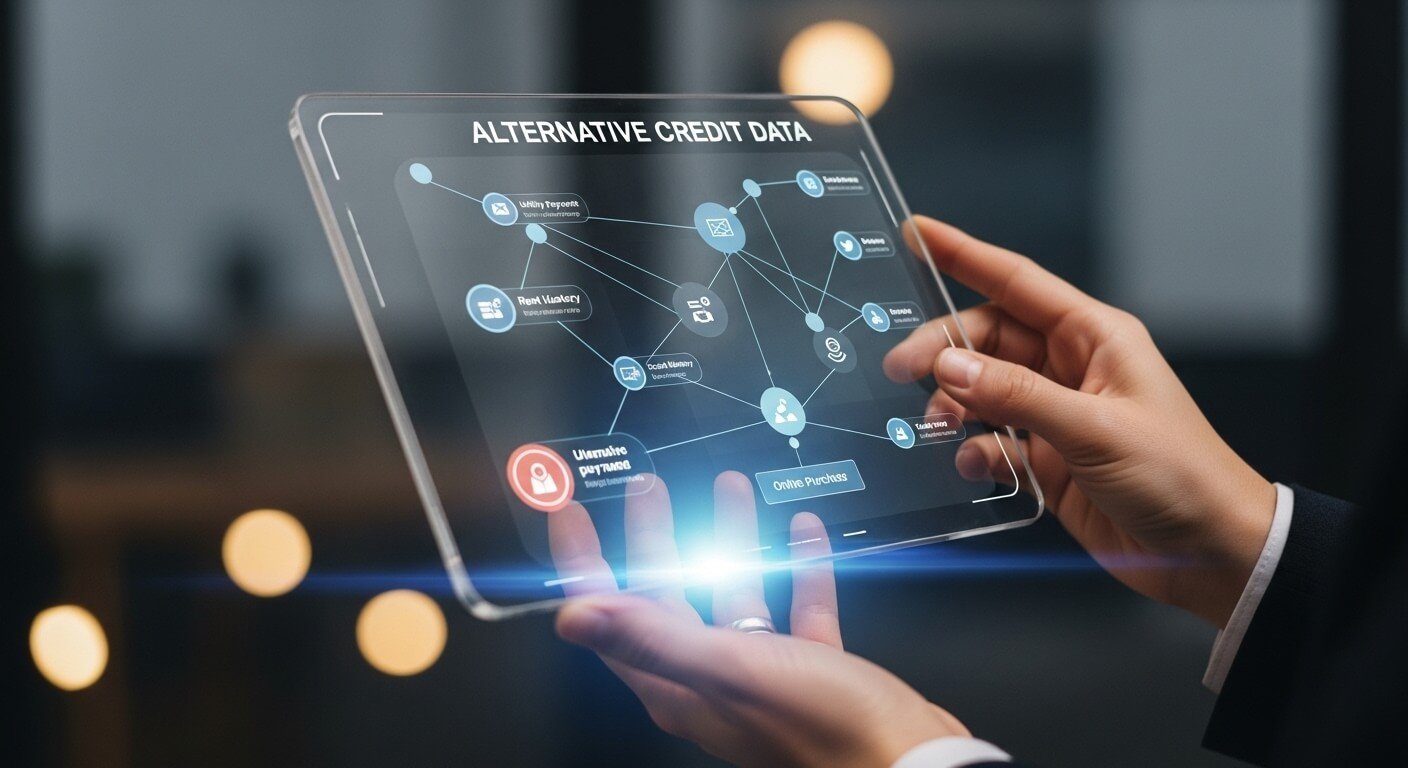
But what if I told you that’s finally starting to change? A new wave in financial technology is pushing for a more complete picture of your creditworthiness through **alternative credit data**, and it might just be the key to unlocking your financial goals. 😊
What’s the Deal with Traditional FICO Scores? 🤔
For decades, the FICO score has been the gold standard for lenders. It’s a three-digit number that summarizes your credit risk based on a few key factors: your history of paying back loans and credit cards, how much debt you have, how long you’ve had credit, and a couple of other things. It’s a solid system, but it has one major blind spot: it only looks at your history with traditional debt products.
If you’re young, new to the country, or simply prefer to live without credit cards, you might have a “thin file.” This means there isn’t enough data in the traditional system to generate a score for you. It doesn’t mean you’re a risk; it just means the system can’t see you. This is where the old model falls short and the new one begins.
According to the Consumer Financial Protection Bureau (CFPB), approximately 26 million American adults are “credit invisible.” Another 19 million have a credit file that is so thin it’s considered unscorable. That’s 45 million people who could benefit from a more inclusive scoring system!
The Game-Changer: Alternative Credit Data 📊
This is where it gets exciting. Lenders are realizing they’re missing out on millions of creditworthy customers. The solution? **Alternative credit data.** This is exactly what it sounds like: financial information that isn’t part of your traditional credit report but still proves your reliability.
Think about it. Your monthly rent payment is often your single largest expense. Paying it consistently for years is a huge indicator of financial responsibility. The same goes for your utilities, cell phone, and insurance payments. Now, this information can finally be used to build your credit profile. This shift is the single biggest change to credit scoring in a generation.
Traditional Data vs. Alternative Data
| Data Type | Examples | Included in Old Scores? |
|---|---|---|
| Traditional | Credit Card Payments, Mortgages, Auto Loans | Yes |
| Alternative | Rental Payments, Utility Bills, Bank Account History | Not usually, but this is changing |
| Alternative | Cellphone Bills, Insurance Payments | Rarely |
Not all lenders use alternative data yet, and not all data is reported automatically. You often need to use a third-party service to report your rent or utility payments to the credit bureaus. Be sure to choose a reputable company.
The Future of Scoring: FICO 10T and Beyond 🧮
So, how is this change actually happening? Credit scoring giants are adapting. While a “FICO 11” hasn’t been officially announced, the trend is clear from recent models like FICO 10T. The “T” stands for “trended,” meaning this model doesn’t just look at a snapshot of your debt; it looks at your financial trajectory over the past 24 months. Are you paying down debt or accumulating it?
Furthermore, newer models are being designed to incorporate alternative credit data. FICO and its competitors know this is the future. By allowing positive rental and utility history to count, they can provide lenders with a more accurate, and often more favorable, view of applicants.
📝 Actionable Steps to Take Now
You don’t have to wait for every lender to catch up. You can take action today:
- Enroll in a Rent-Reporting Service: Look up services like LevelCredit, Rental Kharma, or RentReporters. For a small fee, they will verify your past and ongoing rent payments and report them to credit bureaus like TransUnion and Equifax.
- Check Out Experian Boost: This free service from Experian allows you to link your bank account and get credit for paying utility and cellphone bills on time.
- Ask Your Lenders: When applying for a loan, don’t be afraid to ask if they consider alternative data or use newer scoring models.
A Real-World Example: Meet Alex 📚
Let’s consider a practical case. Alex is a 25-year-old graphic designer who has always avoided credit cards. He pays his $1,500 rent on time every month but has an unscorable FICO score.
Alex’s Situation & Solution
- The Problem: Rejected for a small loan to buy a new computer for his freelance work. The reason given was “insufficient credit history.”
- The Action: Alex signed up for a rent-reporting service. The service reported his last 24 months of on-time payments to TransUnion.
The Result
– Within 45 days, Alex had a score of 680 with TransUnion. He reapplied for the loan with a different, more modern lender who used newer scoring models. This time, he was approved. His history of responsible renting was the key.
This story isn’t unique. As more lenders adopt these practices, millions of people like Alex will find that their good financial habits finally get the recognition they deserve.
Summary: A More Inclusive Credit Future 📝
The world of credit is becoming fairer and more intelligent. While the traditional FICO score is still important, the inclusion of alternative credit data means that your responsible financial life—all of it—can now help you build a stronger financial future. It’s a win for consumers who get better access to loans and a win for lenders who can now identify more creditworthy customers.
Your Credit Score Reimagined
Frequently Asked Questions ❓
This is an exciting time in the world of personal finance. What are your thoughts on this shift? Have you tried using a service to report your alternative data? Let us know in the comments! 👇