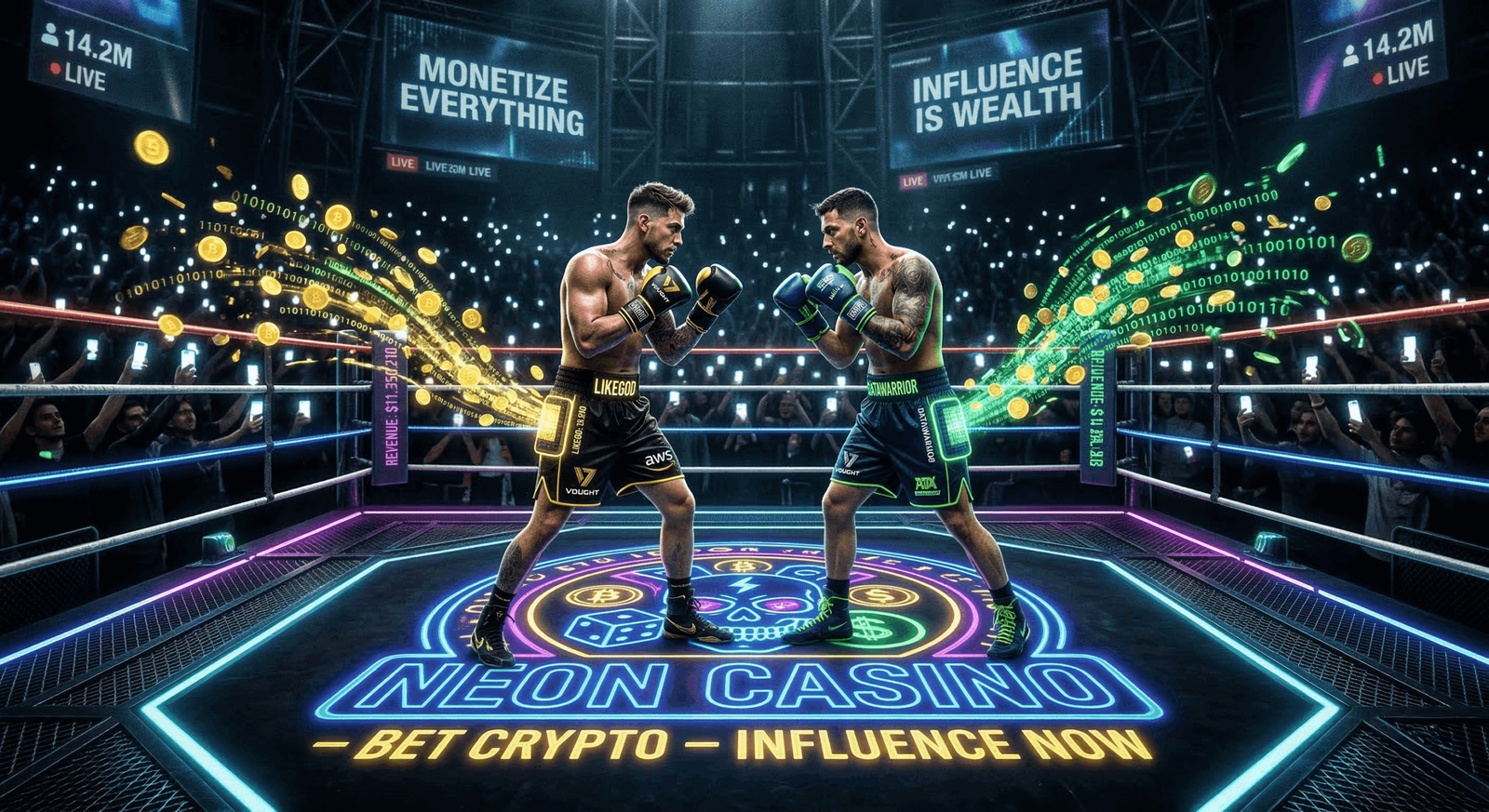
In 2026, the convergence of the creator economy and unregulated offshore betting has birthed a predatory business model known as the “Casino Colosseum.” By leveraging staged drama (Beef) and high-profile boxing events, influencers are funneling their young audiences into cryptocurrency-based gambling platforms. This guide provides a factual breakdown of Influencer Gambling Scams, the “RevShare” compensation structures, and how to verify if your favorite creator is profiting from your financial ruin.
The Structural Moat of Influencer Gambling Scams: Revenue Share (RevShare)
The core mechanism behind modern Influencer Gambling Scams is the Revenue Share (RevShare) agreement. Unlike traditional brand sponsorships where an influencer is paid a flat fee for promotion, the RevShare model aligns the influencer’s wealth directly with the audience’s financial loss.
How the RevShare Payout Works
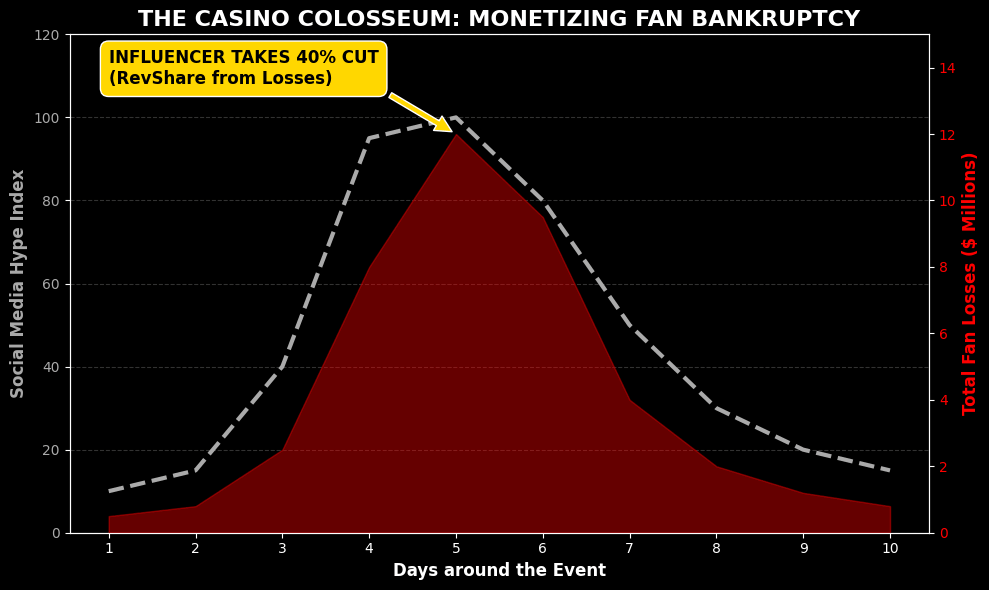
In a typical 2026 RevShare contract, the influencer receives a unique referral code. When a fan uses this code to gamble on a crypto-casino platform, the influencer earns a percentage of that fan’s Net Losses. Factual data from recent leaks suggests these percentages range from 25% to 40%. Effectively, for every $1,000 a fan loses, the influencer quietly pockets up to $400. If the fan wins, the influencer earns nothing, creating a permanent conflict of interest where the creator is incentivized to see their followers bankrupt.
Step-by-Step Process of the Colosseum Marketing Funnel
Understanding the funnel is critical for asset protection. The process is a highly engineered psychological trap designed to bypass traditional financial caution:
- The Staged Conflict (The Beef): Influencers initiate a public feud on platforms like X (Twitter) or TikTok to generate massive social media traffic.
- The Event Announcement: The conflict is scheduled to be “settled” in a boxing match or a 24-hour reality stream, creating a sense of urgency.
- The Main Sponsor Integration: The ring, the equipment, and the digital overlay are heavily branded with offshore crypto-casinos.
- The Referral Hook: Influencers claim they are “betting on themselves” and encourage fans to do the same using a “risk-free” referral code.
- The Harvest: As the event concludes, thousands of fans deposit cryptocurrency. The influencers’ dashboards update in real-time as they collect a share of the total losses incurred during the post-event hype.
2026 Revenue Comparison: Traditional Ads vs. Gambling Scams
📊 Factual Comparison of Influencer Monetization
| Metric | Standard Sponsorship | Gambling RevShare Scams |
|---|---|---|
| Profit Driver | Product Sales/Brand Awareness | Consumer Total Losses |
| Payout Ceiling | Fixed Budget ($5k – $50k) | Unlimited (40% of all losses) |
| Regulatory Status | Regulated by FTC/FCC | Offshore / Unregulated Crypto |
Frequently Asked Questions About Influencer Gambling Scams
Is it legal for influencers to promote these casinos in 2026?
Most of these platforms operate out of jurisdictions like Curacao or the Cayman Islands, which lack strict consumer protection laws. While the FTC has tightened guidelines, influencers often bypass these by using cryptocurrency, making fund tracing and legal enforcement nearly impossible for the average resident.
How can I tell if an influencer is on a RevShare contract?
If an influencer provides a specific “bonus code” for a gambling site and repeatedly showcases high-stakes betting with seemingly no emotional attachment to the money, they are factually likely using “House Money” (site credits) and operating on a RevShare basis. Real gamblers do not provide 40% discount codes to their audience.
Verification Checklist for Financial Safety
Before following a creator’s “financial advice” or betting recommendations, personally verify the following items to avoid Influencer Gambling Scams
- [ ] License Verification: Check if the promoted site is licensed to operate in your specific state or country.
- [ ] Transparency Disclosure: Has the creator factually stated they are receiving a percentage of your losses? (Required but rarely done).
- [ ] Risk Management: Does the creator promote “responsible gambling” or are they encouraging high-leverage “all-in” bets?
- [ ] Sponsorship Longevity: Is the creator jumping between multiple obscure crypto-casinos? This is a sign of a “burn and turn” scam.
Next Steps for Your Asset Protection
Securing your wealth in the digital age requires a proactive filter of the content you consume. Once you recognize that many influencers view their audience as a “monetizable loss,” your financial milestone should be to disconnect entertainment from investment. It is highly recommended to audit the “Referral Links” you have clicked in 2026 and consult with a licensed financial advisor if you have suffered losses due to unregulated betting. For more information on fraud prevention, visit the official FTC.gov or SEC.gov websites.