

Analyzing public financial disclosures is a critical component of assessing market risk for retirement planning in 2026. A notable area of interest is Congressional Insider Trading Defense stocks. Data indicates that during periods of heightened geopolitical tension, prime defense contractors often experience significant growth driven by non-cyclical government spending and consumable, high-margin revenue models. This guide provides a factual analysis of these trading patterns and the structural stability of the military-industrial complex.
The Financial Structure of Congressional Insider Trading Defense Stocks
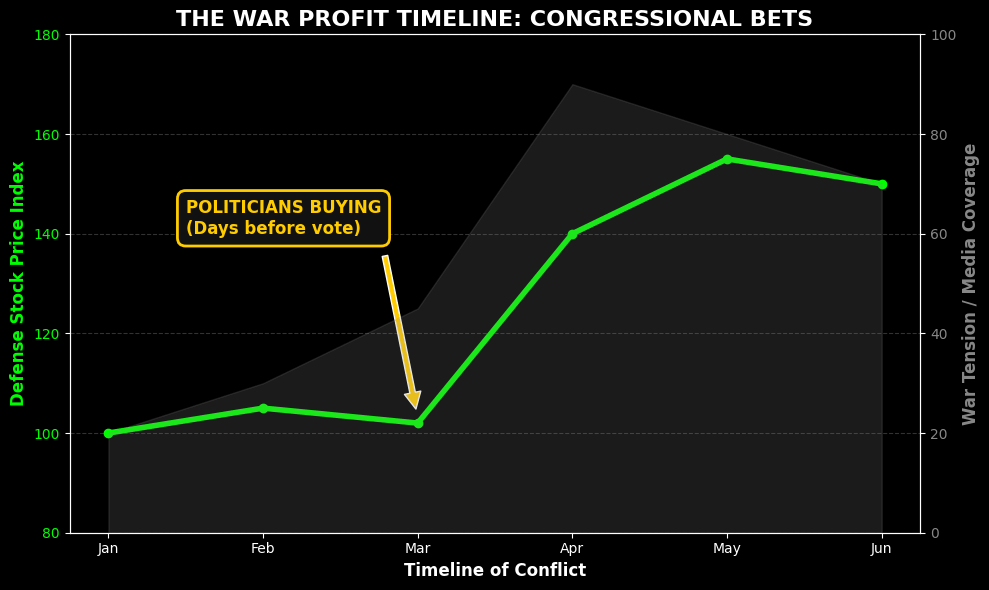
The relationship between legislative action and defense stock performance is a matter of public record. While the STOCK Act of 2012 requires timely disclosure of trades, violations are frequent and penalties are nominal, creating an asymmetric information environment. This is particularly evident in the timing of defense stock purchases relative to key military funding votes.
The Consulable Recurring Revenue Model
Unlike other industries where demand is cyclical, the prime defense contractors operate on a consumable model. A $2 million Tomahawk missile is designed for single-use. When deployed, it must be replaced, ensuring a guaranteed recurring revenue stream for the manufacturer. This makes major defense contractors like Lockheed Martin ($LMT) and RTX ($RTX) uniquely stable in volatile markets. Their business model mimics a “subscription service” with the U.S. government.
Factual Analysis of Major Defense Contractors and Congressional Trading
Understanding the corporate moats of prime contractors helps retirees assess long-term risk and stability in a portfolio affected by geopolitical events.
📊 2026 Factual Analysis of Defense Monopolies
| Ticker | Company | The Structural Moat |
|---|---|---|
| $LMT | Lockheed Martin | Maker of the F-35 (the printer) and Javelin (the ink). Their massive contract backlog and vertical integration create high barriers to entry for competitors. Often seen in congressional portfolios. |
| $RTX | RTX (formerly Raytheon) | Specializes in missiles and defense electronics. Their revenue is directly tied to the replenishment of global ammunition stockpiles, providing highly predictable cash flow. |
| $NANC | Unusual Whales Dem ETF | An exchange-traded fund that is factually managed to track the disclosed stock purchases of Democratic members of Congress. A tool used to gain exposure to insider timing. |
Frequently Asked Questions about Congressional Trading in 2026
Is Congressional insider trading legal under the STOCK Act?
Yes. The Stop Trading on Congressional Knowledge (STOCK) Act requires disclosure but does not outlaw trading. Members of Congress can legally trade stocks of companies affected by their votes, provided they disclose the trades within a specified period (usually 45 days). Public data shows numerous instances of high-volume trades in defense stocks occurring immediately before major, non-public legislative events.
Do defense stocks always rise during wars?
While the long-term trend during 2026 conflicts has been positive, short-term volatility exists. Geopolitical events are complex. Defense stocks generally rise due to increased government contract expectations. However, macroeconomic factors like inflation or general market downturns can temporarily suppress their prices, even during a crisis.
How can retirees protect their portfolios from geopolitical inflation?
War creates geopolitical chaos that causes inflation, which acts as a hidden tax on retirees. Defensive sectors with guaranteed, non-cyclical government revenue (like the defense prime contractors) are often used as a hedge against this inflation. Their ability to pass cost increases to the government provides a unique protective moat for shareholders.
Factual Checklist Before Investing in Defense Stocks
Before you adjust your retirement portfolio based on geopolitical news, personally verify the following factual items to avoid emotional trading:
Earnings Record Factual: Review the official earnings call transcripts of companies like Lockheed Martin for factual information regarding their current 2026 contract backlog.
Disclosures Factual: Cross-reference stock ticker symbols with official congressional financial disclosures at Congress.gov or reliable tracking aggregators to verify if politicians are factually buying.
SPY Correlation Factual: Analyze the Beta of defense stocks relative to the S&P 500. They may not move with the general market during a crisis.
Next steps factual: Consult the STOCK Act text on Congress.gov and the specific financial disclosures on SEC.gov to fully verify the factual data regarding any transaction. pro-active management of these official records is essential for mitigating risk in a portfolio exposed to geopolitical events.