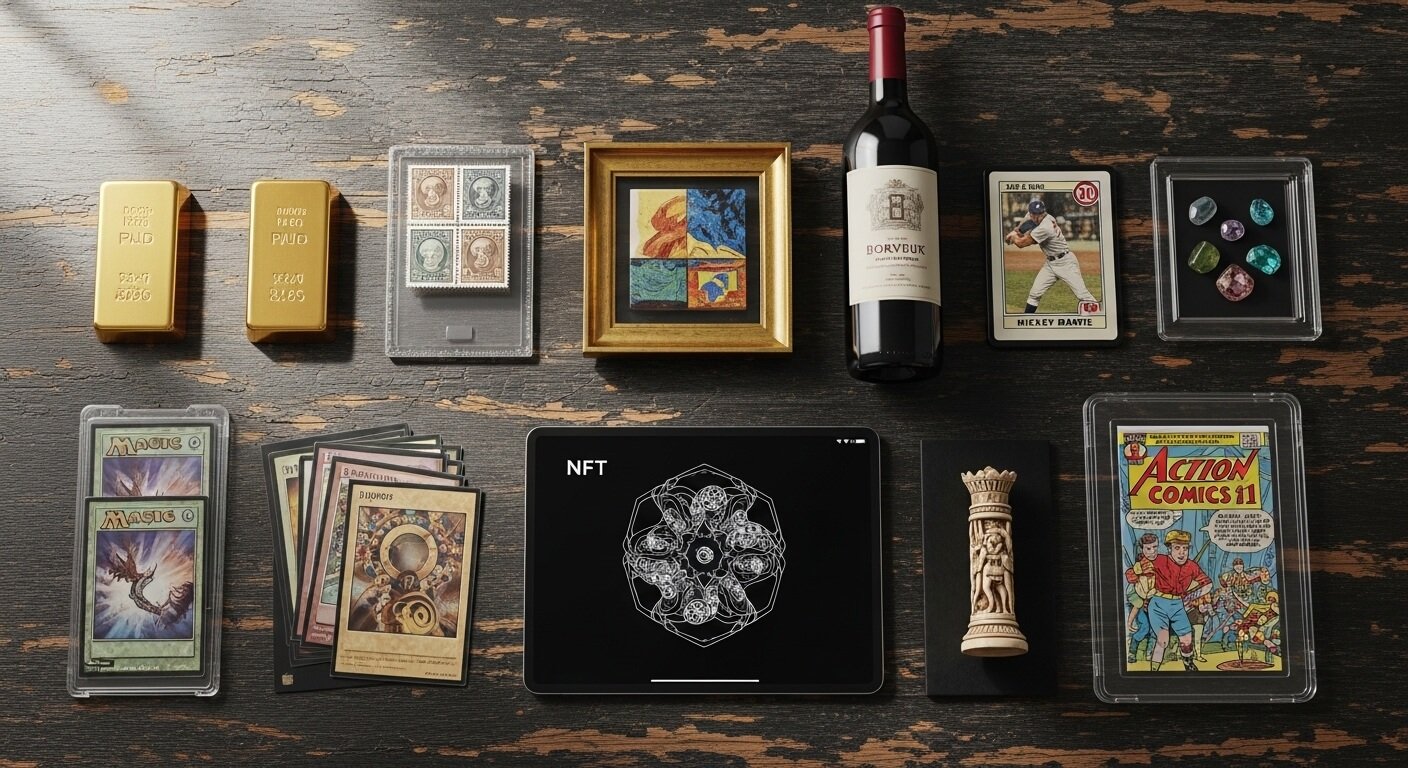
Ever look at your sneaker collection, a beautiful piece of art, or even a rare bottle of wine and wonder, “Could this be more than just a hobby?” I know I have. For years, my stock and bond portfolio felt… well, a little boring. What if our passions could actually be powerful tools for building wealth? That’s the exciting promise of alternative asset investing, and it’s more accessible today than ever before. This guide is here to walk you through it, step-by-step. 😊
What Exactly Are Alternative Assets? 🤔
Simply put, alternative assets are investments that fall outside of the traditional categories of stocks, bonds, and cash. Think of things you can see and touch: fine art, rare watches, collector sneakers, and real estate. It also includes more modern concepts like cryptocurrency and shares in private companies. So, why is everyone suddenly talking about them? It boils down to a few key reasons: diversification, the potential for high returns, and the sheer joy of investing in something you’re passionate about.
For me, the real lightbulb moment was understanding that the value of a vintage Rolex doesn’t necessarily move in the same direction as the S&P 500. When the stock market has a bad day, my alternative assets often remain stable or even appreciate, bringing a welcome balance to my portfolio.
The key benefit of alternative assets is their “low correlation” to public markets. This fancy term just means their prices don’t always move in sync with stocks and bonds, which can help protect your portfolio during market downturns.
Exploring the Universe of Alternatives 📊
Getting started can feel overwhelming because the options are endless. Luckily, a host of innovative platforms have emerged, making it easier than ever to invest. Here’s a breakdown of some popular categories and where you can find them.
Popular Alternative Asset Platforms
| Asset Class | Popular Platforms | Key Considerations |
|---|---|---|
| 🎨 Fine Art | Masterworks, Yieldstreet | Long-term hold, high initial values (fractional ownership helps). |
| 👟 Collectibles (Sneakers, Watches) | StockX, Rally, Otis | Authenticity is crucial, market trends can be volatile. |
| 🍷 Fine Wine & Whiskey | Vinovest, Vint | Requires professional storage, very long-term (5-20 years). |
| 🏠 Real Estate Crowdfunding | Fundrise, CrowdStreet | Highly illiquid, tied to the property market’s performance. |
Not all platforms are created equal. Before investing, always research the platform’s fees, security measures, insurance policies, and overall track record. Your due diligence is your first line of defense.
The Art of Portfolio Blending 🧮
So, how much of your portfolio should you actually allocate to these assets? There’s no magic number, but most financial advisors recommend a range of 5% to 15% for the average investor. The key is to start small and increase your allocation as you become more comfortable. Integrating alternatives can smooth out your overall returns and provide a valuable hedge against inflation, but it’s important to understand the downsides, like lower liquidity and higher fees.
🔢 Quick Allocation Calculator
Real-World Example: A $10,000 Portfolio 📚
Let’s make this real. Imagine an investor named Alex with a $100,000 traditional portfolio. Alex has a moderate risk tolerance and decides to allocate 10%, or $10,000, to alternatives. Here’s one way Alex could build that out:
Alex’s $10k Alternative Portfolio
- $3,000 in Fractional Art: Alex invests in shares of a blue-chip painting on Masterworks, hoping for long-term appreciation.
- $3,000 in Real Estate: Using Fundrise, Alex invests in a diversified eREIT to gain exposure to the property market without buying a whole house.
- $2,000 in Fine Wine: Through Vinovest, Alex purchases a case of investment-grade Bordeaux that will be stored and aged professionally.
- $2,000 in Collectibles: Alex buys fractional shares of a rare Rolex and a pair of iconic Air Jordans on Rally to capture trends in the luxury goods market.
This mix gives Alex exposure to four different, uncorrelated asset classes within the alternative sleeve itself, providing even more diversification.
Key Takeaways for Alt Investing
Frequently Asked Questions ❓
Diving into alternative assets has been one of the most rewarding parts of my investment journey. It’s a way to connect my portfolio to my passions. What alternative assets are you most excited about? Share your thoughts in the comments below! 😊