In the summer of 2025, the U.S. education system was plunged into chaos.
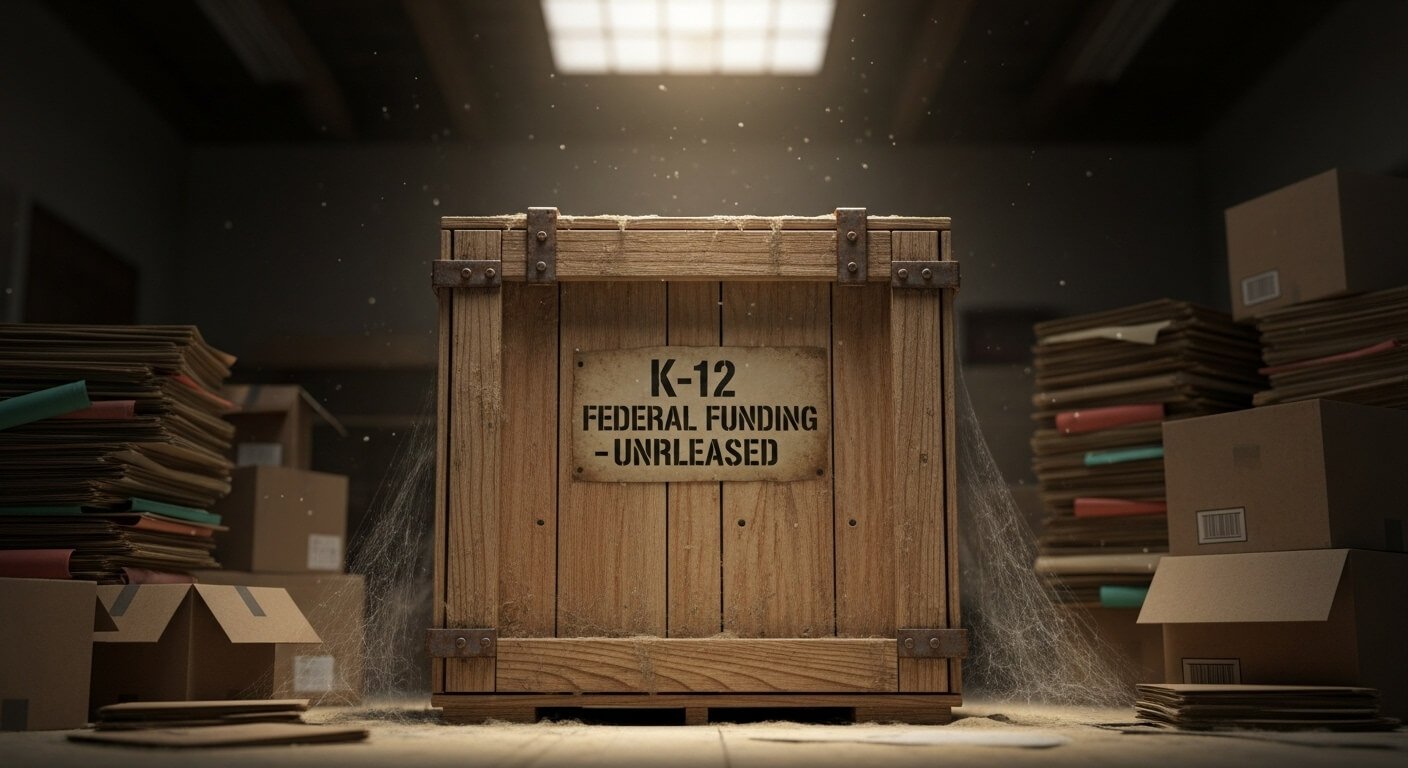
The Department of Education suddenly withheld $6.2 billion in unreleased K-12 federal funding that Congress had already approved. This freeze targeted critical programs for our nation’s most vulnerable students, triggering a crisis that forced schools to make impossible choices.
A Sudden Freeze Sparks Nationwide Chaos
On July 1, 2025, school districts expecting their annual federal funding were instead met with a notice of delay. This wasn’t a minor hiccup; it was a complete halt of funds essential for daily operations.
According to the Learning Policy Institute, the hold directly impacted five key ESEA grants:
- Title I-C: Crucial support for migrant students.
- Title II-A: Funding for teacher and principal training.
- Title III-A: Essential resources for English language learners.
- Title IV-A: Grants for student enrichment, STEM, and arts.
- Title IV-B: Support for after-school and summer learning programs.
For some states, this freeze jeopardized up to 20% of their total federal education aid. The administration cited a need for a “review,” but critics immediately condemned the action as an illegal impoundment of funds.
The Real-World Impact: How Schools Were Affected
The consequences of the education funding hold were immediate and severe. School leaders were thrown into what one report from K-12 Dive called “budgetary chaos.”
Districts nationwide were forced to:
- Cancel Programs: Summer schools were shut down, and vital after-school programs serving millions of children were put on the chopping block. The Boys and Girls Clubs of America warned of widespread closures.
- Lay Off Staff: Without funds for professional development and English learner support, districts had no choice but to issue layoff notices and cancel contracts for educators.
- Halt Purchases: Plans to buy new textbooks, technology, and classroom supplies came to a grinding halt, directly impacting student learning.
This sudden budget crisis forced schools to drain emergency reserves, creating a ripple effect of financial instability that threatened the upcoming academic year.
The Fight to Restore Funding
The pushback was swift and unified. A bipartisan coalition of lawmakers, educators, and parents demanded the immediate release of the funds.
Legal action became a critical front in this battle. States banded together to sue the administration, arguing the Department of Education had overstepped its constitutional authority. As documented by EdTrust, these lawsuits asserted that the executive branch cannot simply withhold money appropriated by Congress.
Faced with intense legal and political pressure, the administration reversed its decision by the end of July, releasing the full $6.2 billion.
An Unsettled Future for School Budgets
While the crisis was resolved, it left a deep scar. The month-long education funding hold eroded trust and proved that school budgets can become political bargaining chips.
The threat has not disappeared.
Today, debates over the FY2026 budget continue, with some proposals calling for deep cuts to Title I funding—the bedrock of support for low-income schools. An analysis from New America highlights the ongoing risk to these essential programs.
The 2025 crisis serves as a stark reminder: the financial stability of our schools is never guaranteed, demanding constant vigilance from parents and educators alike.
To see how the funding freeze was covered by news media, view this report on the immediate aftermath for after-school programs.Education Department freezes school funds – YouTube