Real estate investing can feel like a game of follow the leader. We hear about the “hot” markets, the new trends, and everyone rushes in, driving up prices and squeezing out potential profits. But what if the real opportunities aren’t where everyone is looking? What if the most promising investments are hiding in plain sight, just beyond the headlines? As an investor, I’ve learned that true wealth is built by looking past the hype and finding value where others don’t. This post will show you how to do just that. 😊
Understanding the Shifting Landscape for Smart Real Estate Investing 🤔
The 2020s have fundamentally changed how we live, work, and invest. Traditional metrics for what makes a good real estate market are evolving. Factors like remote work, population shifts, and economic diversification are creating new winners and losers. Before you start looking for properties, it’s crucial to understand these underlying currents.
For instance, the rise of remote work has decentralized talent from major metropolitan hubs. This trend is fueling the growth of secondary cities and suburbs, which were once overlooked. These areas now offer a compelling mix of affordability, quality of life, and growing economic activity. It’s about spotting a new kind of value.
Don’t rely solely on historical data. Markets that were once dormant may now be poised for significant growth due to societal shifts. Always look for areas with a strong job market, even if the jobs are no longer centralized in a downtown core.
Three Untapped Niches for Profitable Real Estate Investing 📊
Now that we’ve set the stage, let’s explore some specific areas where you can find hidden gems. These niches aren’t about buying a single-family home in a suburban cul-de-sac. They require a bit more research but offer much higher returns for the savvy investor.
1. Workforce Housing & Small Multifamily Properties
Workforce housing refers to affordable homes for essential workers like teachers, nurses, and first responders. The demand for this type of property is consistently high, and the supply is often limited in growing communities. Investing in small multifamily properties (duplexes, triplexes, or quads) in these areas can provide steady cash flow and a hedge against market volatility.
You can think of it as providing a service that society desperately needs. The properties are often easier to manage than large apartment complexes, and the tenant base is typically stable. The cash flow is often much stronger than with a single-family home, and you can accelerate your portfolio growth.
2. Repurposing Distressed Commercial Real Estate
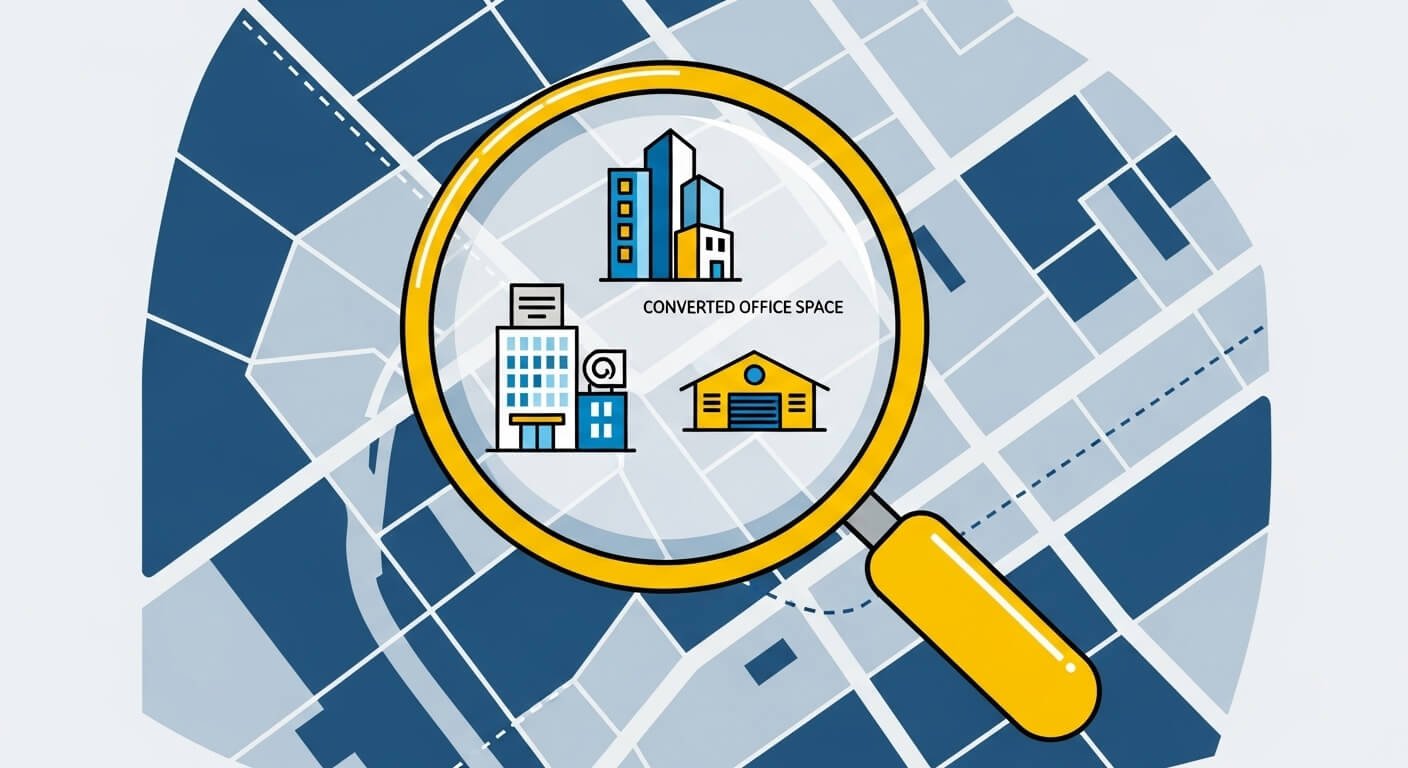
The pandemic hit commercial real estate hard, but this creates unique opportunities. Many office buildings, retail spaces, and even strip malls are sitting vacant or are underperforming. An investor with a creative vision can acquire these properties at a discount and convert them into something new, like residential units, self-storage facilities, or even indoor recreational centers. The key here is a keen eye for a property’s potential beyond its current use.
Repurposing commercial real estate is not for the faint of heart. It requires significant capital, a deep understanding of zoning laws, and a strong network of contractors and architects. Always conduct thorough due diligence and have a clear exit strategy.
3. The “Last Mile” of Industrial Real Estate
With the continued growth of e-commerce, there’s a huge demand for small-to-medium-sized industrial properties located near residential areas. These are the warehouses and distribution centers needed for fast delivery. They might not look glamorous, but these properties are essential cogs in the modern economy. They offer strong rental income and long-term lease agreements with stable tenants. It’s a fantastic way to invest in a tangible asset that supports the digital economy.
A Tactical Toolkit for Smarter Real Estate Investing 🧮
Finding these opportunities takes more than just browsing Zillow. It requires a strategic and systematic approach. Here are a few tools and techniques you can use.
📝 The “Economic Compass” Formula
My go-to is the Economic Compass Formula to quickly assess a market’s health. The formula is simple: Market Health Score = (Population Growth Rate + Job Growth Rate + Income Growth Rate) / Local Housing Inventory. A higher score suggests a more dynamic market with potential for appreciation and rental demand.
Let’s run a quick example:
Hypothetical Example: “Growthville”
1) Population Growth: 1.5% annually
2) Job Growth: 2.1% annually
3) Income Growth: 3.5% annually
4) Housing Inventory: 2.0%
→ Economic Compass Score: (1.5 + 2.1 + 3.5) / 2.0 = 3.55. A score above 2.5 is generally a good sign. Growthville looks promising!
🔢 Interactive Market Score Calculator
Due Diligence: The Key to Successful Real Estate Investing 👩💼👨💻
Once you’ve identified a promising niche and a market, the real work begins. Thorough due diligence is what separates a smart investment from a costly mistake. You need to verify your assumptions about the market and the property itself. This means visiting the area, talking to local professionals, and meticulously reviewing documents.
It’s super important to find a local team you can trust. I’m talking about a good real estate agent, a property manager (if you’re not local), and a real estate attorney. Having boots on the ground who can give you honest, on-the-spot advice is invaluable. Don’t underestimate the power of a solid local network. The best deals are often found through word-of-mouth, not online listings.
Attend local real estate investor meetups or join online forums for your target market. These communities are fantastic sources of information and can help you build your network quickly and efficiently.
Conclusion: A Path to Unconventional Returns 📝
Investing in real estate beyond the hype isn’t just a strategy; it’s a mindset. It means having the discipline to ignore the noise and the vision to see potential where others see problems. By focusing on fundamental economic drivers and looking for hidden opportunities in underserved markets, you can build a robust and resilient portfolio.
I genuinely believe that the best time to invest is when things feel a little uncertain. That’s when the best deals pop up. So, keep your eyes open, do your homework, and don’t be afraid to go against the grain. If you have more questions about this or want to share your own experiences, feel free to drop a comment below! 😊